Application
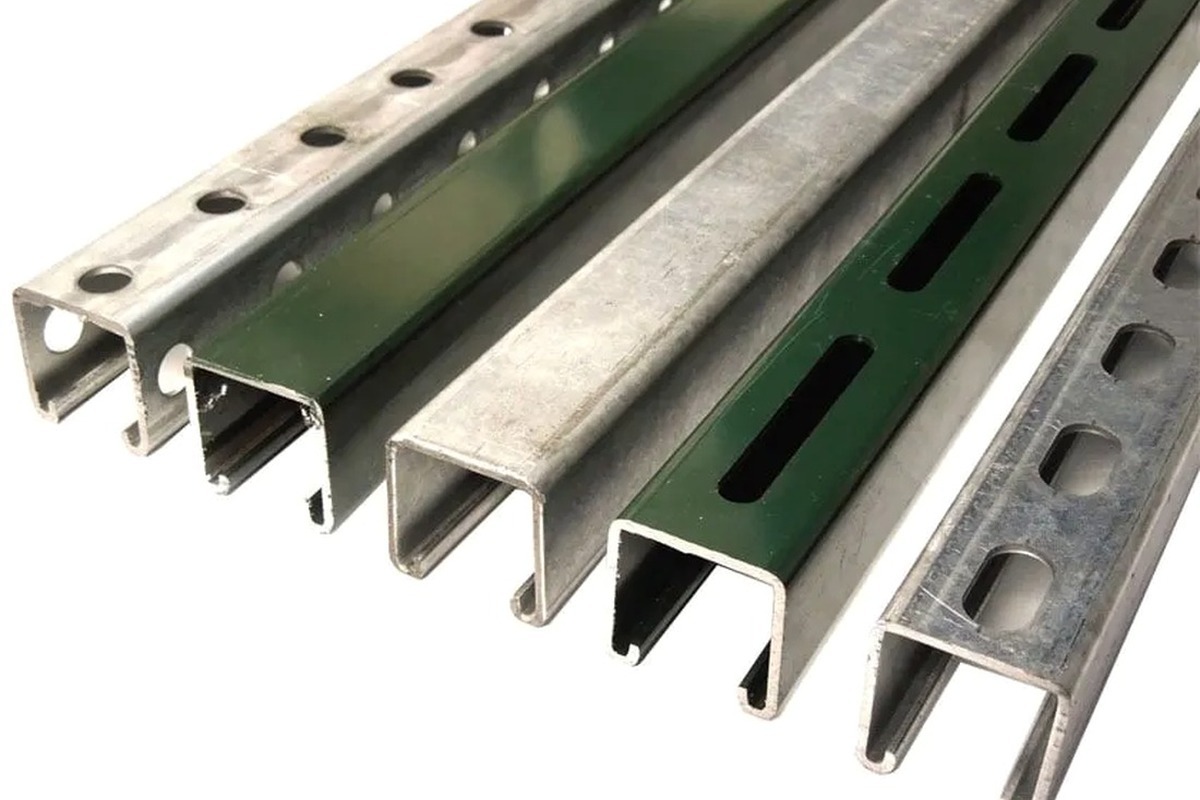
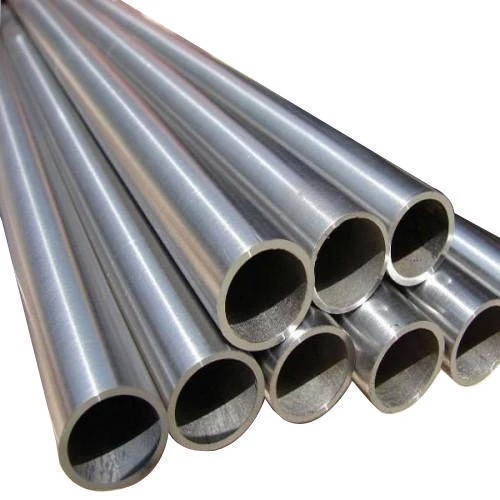
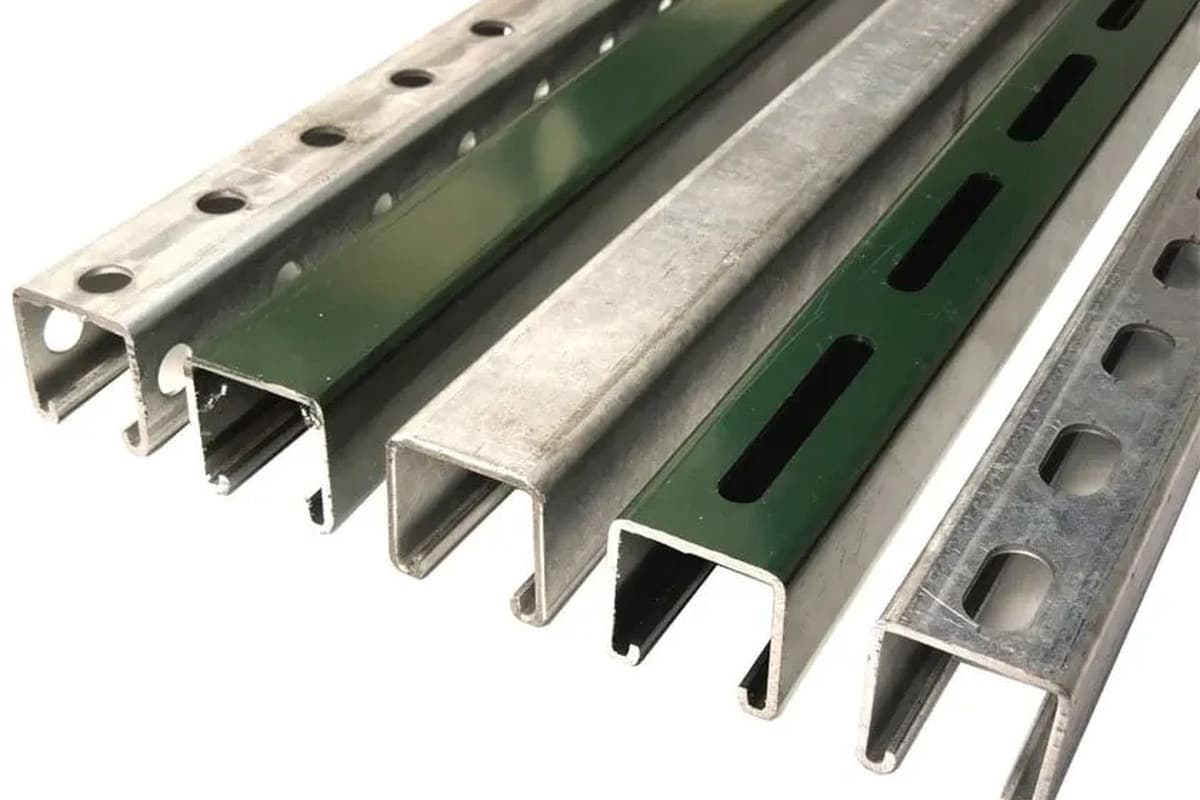
Strut tracks, GI pipes, support channels and related steel products for mechanical and electrical teams.
MEP support systems commonly use strut channels, tracks, GI pipes and related steel support materials selected by load, finish and installation environment.
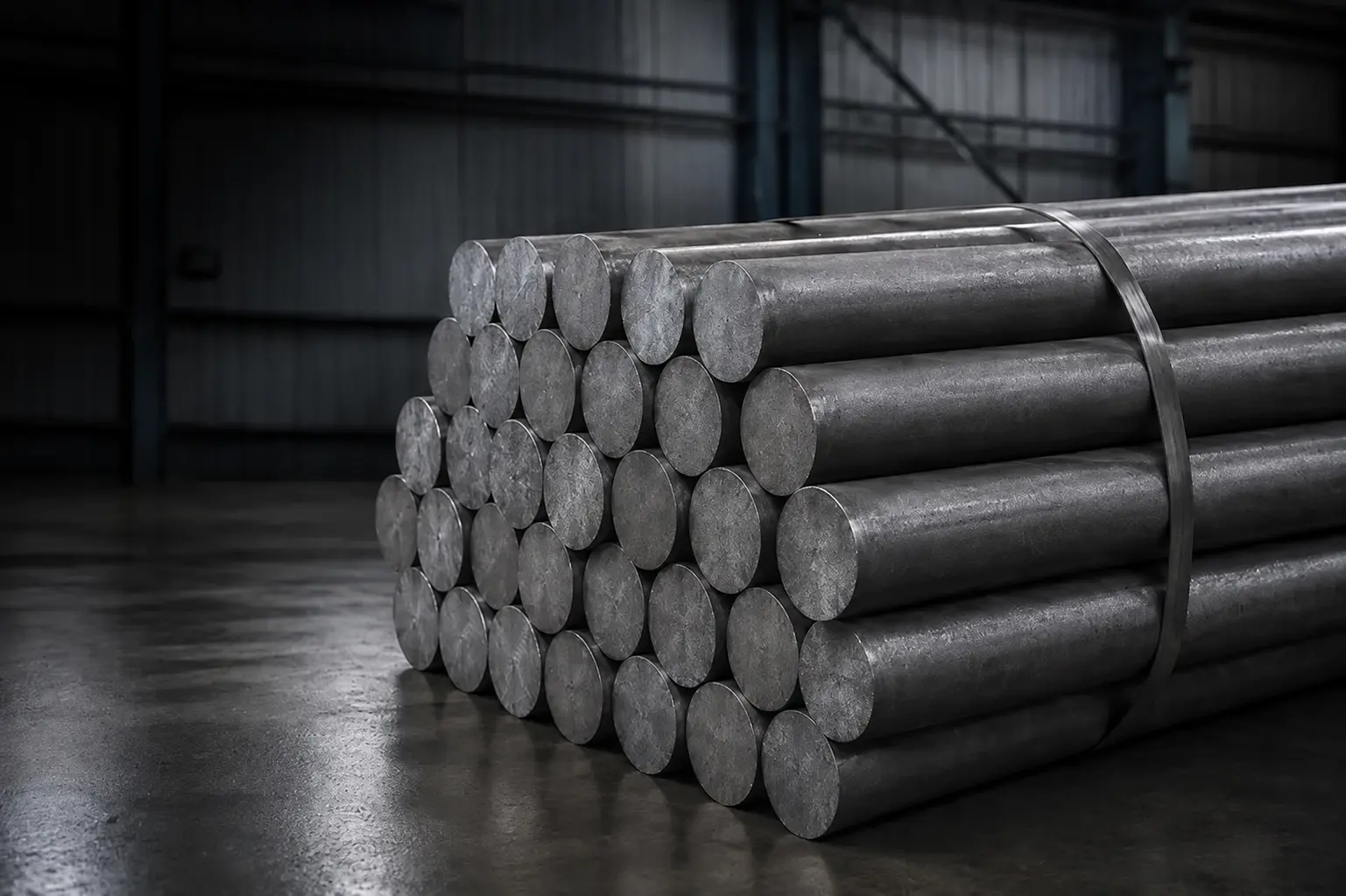
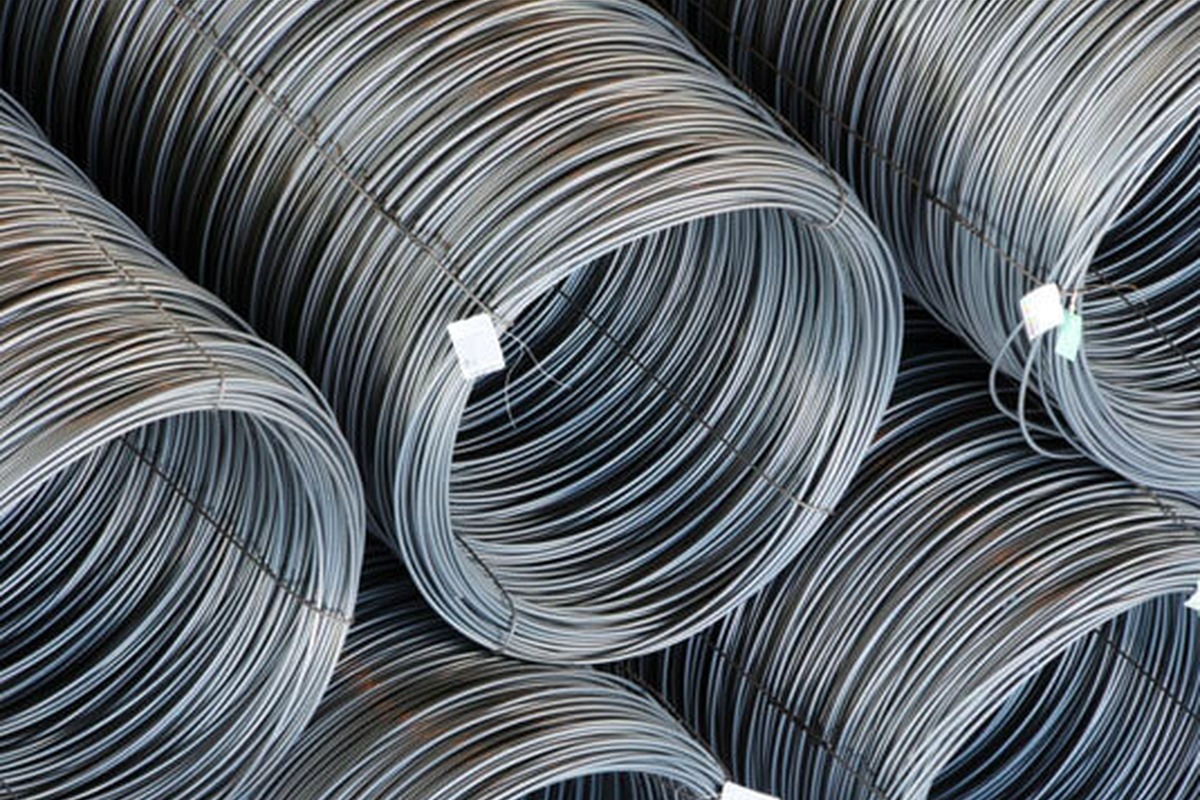
MEP & Support Systems work commonly involves Strut & Track, GI Pipe, SS Wire, MS Bars. Final selection depends on drawings, load or support requirements, installation environment, finish, quantity and delivery schedule.
Application Guide
MEP & Support Systems projects usually require a group of products rather than one item. Review the drawing and site scope first, then shortlist the product sizes, finish options and accessories needed for installation.
When sending an RFQ, include project type, location, drawing or BOQ notes, product sizes, quantities, finish requirement and delivery location. For support or framing work, add accessory lists and installation environment where possible.
SRK Steel links application pages with related products and country pages so buyers can prepare enquiries based on actual site use, not only by product name.
Application-led guidance connects a project requirement with commonly used products, such as purlins for roofing or strut channels for MEP support, so buyers can prepare a more complete RFQ.
Recommended Products
These products are commonly requested for this application. Open product pages for specifications and RFQ details.
Common Buyer Questions
Direct answers for buyers researching steel product options by application.
Common products include Strut & Track, GI Pipe, SS Wire, MS Bars. The final list should follow the drawing, site condition, finish requirement and project specification.
Share load requirement, channel size, finish, accessory list, installation environment, plus drawings, BOQ notes, product quantities, finish requirement and delivery location.
Yes. SRK Steel reviews UAE and GCC project enquiries and helps buyers connect the application with suitable product categories and specification details.
Application context helps identify related items, accessories, finish requirements and product alternatives that may not be obvious from a product name alone.